

Uncategorized
Sleeping Pills and Insomnia: Causes, Treatments, Risks, and Better Sleep Strategies
Oct
Introduction
Sleep plays an essential role in maintaining physical health, mental wellbeing, and daily performance. However, millions of people experience difficulty falling asleep, staying asleep, or getting enough quality rest. This condition is known as insomnia.
For some individuals, lifestyle changes and behavioural approaches are enough to improve sleep. In other cases, healthcare professionals may recommend treatments such as prescription sleeping pills for short-term support. Understanding insomnia, available treatments, and the safe use of sleep medicines is important for achieving better long-term sleep health.
What Is Insomnia?
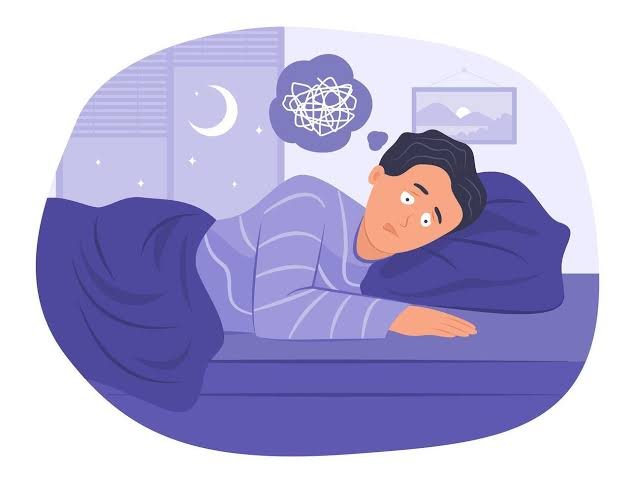
Insomnia is a common sleep disorder where a person has difficulty getting enough sleep despite having the opportunity to rest.
People with insomnia may experience:
- Difficulty falling asleep
- Waking up frequently during the night
- Waking up too early and being unable to return to sleep
- Feeling tired after sleeping
- Difficulty concentrating during the day
- Irritability or mood changes
Insomnia can be short-term (acute) or continue for months (chronic), depending on the underlying causes.
Common Causes of Insomnia
Insomnia can develop due to a variety of physical, emotional, and lifestyle factors.
Common causes include:
- Stress and anxiety
- Depression or emotional difficulties
- Irregular sleep schedules
- Excessive caffeine or alcohol consumption
- Shift work or changes in routine
- Chronic pain or medical conditions
- Certain medications
- Poor sleep environment
Identifying the cause of poor sleep is an important step in finding the right solution.
The Effects of Poor Sleep
Lack of quality sleep can affect many areas of life. Ongoing sleep problems may contribute to:
- Low energy levels
- Reduced concentration and memory
- Poor work or academic performance
- Increased stress levels
- Mood changes
- Weakened immune function
Getting enough quality sleep supports better physical and mental health.
What Are Sleeping Pills?
Sleeping pills are medicines designed to help people fall asleep or stay asleep. They may be prescribed when insomnia is severe, affecting daily life, or when other approaches have not provided enough improvement.
Different types of sleep medicines work in different ways. Some may help the brain relax, while others affect sleep-related chemical signals.
Common categories of sleep medicines include:
- Prescription hypnotic medicines
- Medicines that affect sleep cycles
- Certain medications used for specific sleep-related conditions
Sleeping pills are generally recommended for short-term use because some can lead to tolerance or dependence.
How Sleeping Pills Work
Many sleeping medicines work by slowing activity in the brain, helping the body enter a more relaxed state that supports sleep.
While these medicines may provide temporary relief, they usually do not address the underlying causes of insomnia. For this reason, they are often combined with lifestyle improvements and behavioural strategies.
Risks and Side Effects of Sleeping Pills
Sleeping pills can cause side effects, especially when not used correctly.
Possible side effects include:
- Daytime drowsiness
- Dizziness
- Reduced concentration
- Confusion
- Memory problems
- Changes in coordination
Some people may develop tolerance, meaning the medicine becomes less effective over time. Others may experience dependence, making it difficult to stop taking the medication without support.
Safe Use of Sleeping Medicines
If sleeping pills are prescribed, it is important to:
- Take them only as directed
- Avoid combining them with alcohol unless advised by a healthcare professional
- Do not increase the dose without medical guidance
- Avoid driving or operating machinery if feeling drowsy
- Discuss any concerns or side effects with a doctor
Sleeping medicines should always be used responsibly to reduce potential risks.
Natural Ways to Improve Sleep
Many people can improve insomnia symptoms by making healthy sleep changes, including:
Creating a Sleep Routine
Going to bed and waking up at the same time each day can help regulate the body’s natural sleep rhythm.
Improving Sleep Environment
A comfortable, quiet, dark, and cool bedroom can support better sleep quality.
Reducing Screen Time
Phones, tablets, and computers before bedtime may interfere with the body’s natural sleep signals.
Managing Stress
Relaxation techniques, breathing exercises, meditation, and regular physical activity may help reduce stress-related sleep problems.
Cognitive Behavioural Therapy for Insomnia (CBT-I)
CBT-I is a structured therapy designed to help people change thoughts and behaviours that contribute to poor sleep.
It can help individuals:
- Develop healthier sleep habits
- Reduce anxiety about sleep
- Establish consistent routines
- Improve sleep quality without relying only on medication
For many people with chronic insomnia, CBT-I can provide long-lasting benefits.
When to Seek Medical Advice
It is recommended to speak with a healthcare professional if:
- Sleep problems continue for several weeks
- Insomnia affects work, relationships, or daily activities
- You rely on sleeping pills regularly
- You experience severe daytime tiredness
- Sleep problems are linked to anxiety, depression, or other health conditions
Professional guidance can help identify the cause and recommend suitable treatment options.